



Blog

  • Top 7 fascinating facts on planet earth.

    Top 7 fascinating facts on planet earth.

    The importance of understanding our planet

    Our planet, Earth, is a fascinating and complex entity that sustains life as we know it. As the only known planet with conditions suitable for life, studying Earth and its various components is crucial for several reasons.

    Conservation of Life and Ecosystems:
    Understanding our planet allows us to preserve and protect the delicate balance of life and ecosystems that exist here. By studying Earth’s climate, geology, and biodiversity, we can gain insights into how human activities impact the environment and develop sustainable practices to protect the planet for future generations.

    Mitigation of Natural Disasters:
    Earth is prone to natural disasters such as earthquakes, volcanic eruptions, hurricanes and floods. By studying the geological processes that lead to these events, scientists can improve early warning systems, enhance preparedness measures, and develop strategies to mitigate their devastating effects. Understanding earth dynamics is critical to ensuring the safety and well-being of populations living in vulnerable areas.

    Climate Change and Environmental Challenges:
    In recent decades, Earth has faced unprecedented environmental challenges, with climate change being one of the most pressing concerns. Understanding the Earth’s climate system, factors contributing to global warming, and the impact of human activities on the environment is essential to formulating effective strategies to combat climate change.

    Exploration and space travel:
    As humanity’s curiosity extends beyond our own planet, understanding Earth is vital to space exploration. By studying Earth’s geology, atmosphere, and biosphere, scientists can better understand the conditions necessary for life and identify potential habitable environments on other celestial bodies.

    Appreciation of natural beauty:
    Understanding the Earth is beyond scientific knowledge; It fosters a deep appreciation for the natural beauty and wonder of our planet. From breathtaking landscapes to diverse ecosystems and the unusual species that inhabit them, Earth offers awe-inspiring sights that inspire creativity, art and a sense of wonder.

    Fact 1: Age and Origin of Earth

    Approximately 4.5 billion years, based on scientific evidence such as radiometric dating of rocks and meteorites. Explain that Earth formed from a protoplanetary disk of gas and dust that surrounded the young Sun.

    Eath

    Fact 2: Mount Everest – Highest Point on Earth:
    Mount Everest  height is of 8,848 meters (29,029 feet) above sea level &  located in the Himalayan mountain range on the border of Nepal and China (Tibet).

    Mt. Everest

    Fact 3: Earth’s Liquid Water:
    The peculiarity of Earth having liquid water on its surface. Earth’s position in the habitable zone, the right distance from the Sun, allows liquid water to exist.The importance of water has supporting life on Earth. Water is essential for biochemical reactions, acts as a universal solvent, regulates temperature and provides habitats for countless species. Its presence is an important factor in the habitability of Earth.

    Fact 4: The Pacific Ocean – Earth’s Largest Ocean:

    The vastness and significance of the Pacific Ocean, covering an area of about 63.8 million square miles (165.25 million square kilometers).  It extends from the Arctic to the Antarctic and borders the coastlines of various countries. Rich bio diverscities including coral reefs, kelp forests, and deep-sea trenches.  Iconic species such as whales, dolphins, and various fish species that inhabit these waters.

    Fact 5: Earth’s Four Seasons:

    The concept of seasons and their connection to Earth’s axial tilt. Earth’s tilt causes different parts of the planet to receive varying amounts of sunlight throughout the year.Spring represents renewal and new growth, summer brings warmth and longer days, autumn is associated with falling leaves and harvest, and winter is marked by cold temperatures and shorter days. Seasons play a vital role in the cycles of life, agriculture, and cultural celebrations.

    Fact 6: The Great Barrier Reef

    Earth’s Largest Living Structure The Great Barrier Reef, located off the northeast coast of Australia. Its size, stretching over 2,300 kilometers (1,400 miles), and its vibrant and diverse ecosystem.

    Fact 7: Earth’s Magnetic Field:

    Earth’s magnetic field, generated by the movement of molten iron in its outer core. The magnetic field extends into space and creates a protective magnetosphere around the planet.  Significance of the magnetic field in protecting the planet from harmful solar radiation and charged particles.

  • “Fascinating Mind and Brain Facts You Need to Know”

    “Fascinating Mind and Brain Facts You Need to Know”

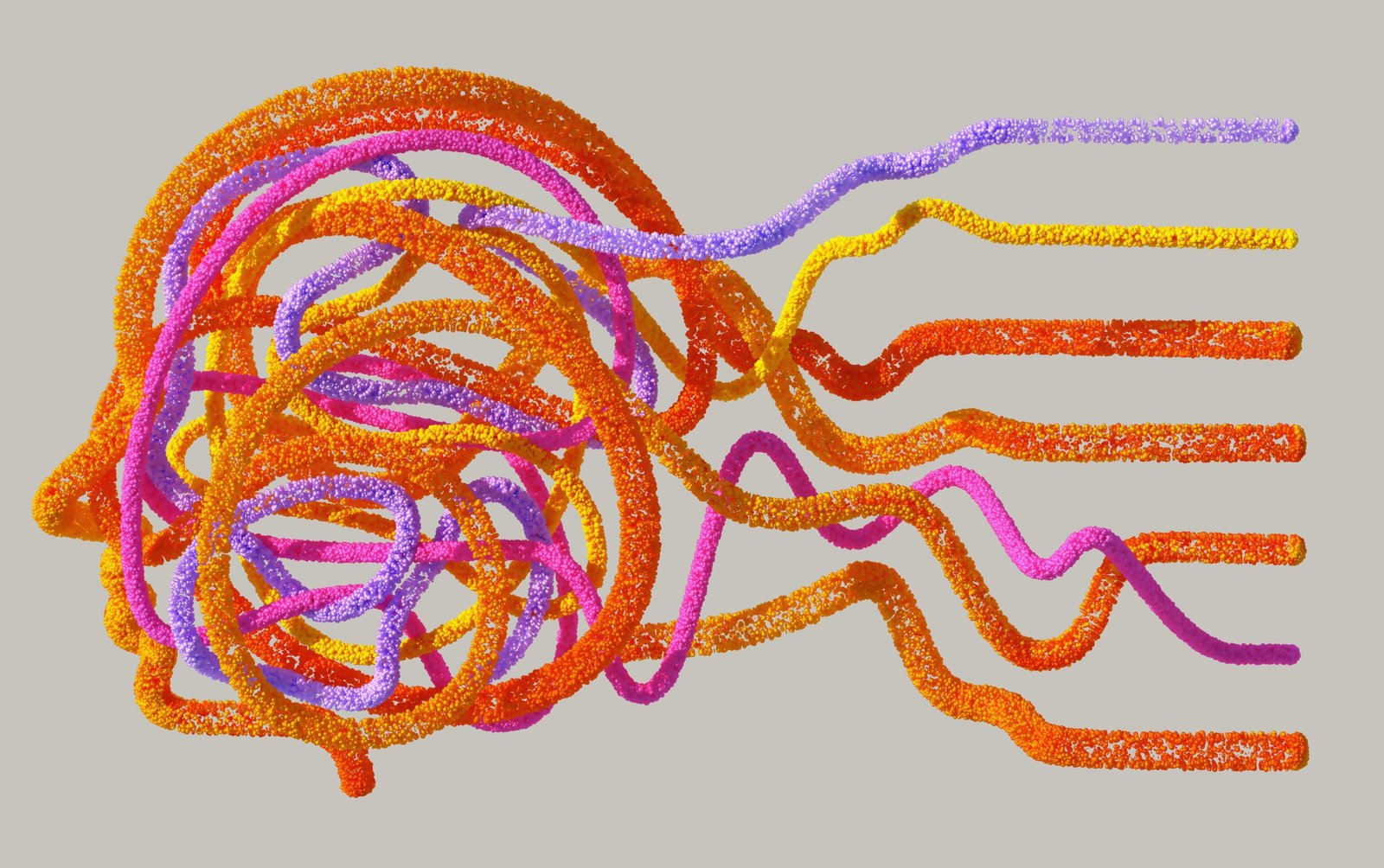
    The human mind and brain, the enigmatic duo that governs our thoughts, feelings and actions, have fascinated scientists, philosophers and curious minds alike. A universe of secrets waiting to be unraveled in the intricate web of neurons and synapses.

    “Fascinating Mind and Brain Facts You Need to Know”

    Our mind has the power to imagine, create and reason. They shape our perceptions, guide our decision-making, and define our personal experiences of the world. Meanwhile, the brain—the physical organ that houses this complex machinery—provides the foundation for the mind’s astonishing capabilities.


    Through the lenses of psychology, neuroscience, and cognitive science, we peer into the inner workings of this mysterious realm. We uncover the secrets of memory – how moments are encoded, stored and retrieved, allowing us to learn from the past. We explore the intricacies of perception – how our senses translate raw data into a coherent understanding of the world around us. We probe the depths of consciousness, grappling with questions of the nature of self-awareness and subjective experience.


    “Importance of understanding psychology, neuroscience, cognition, memory, and perception in unraveling the mysteries of the mind”.

    The human mind is a complex and intricate entity that has fascinated scholars, researchers, and individuals throughout history. To truly grasp the mysteries of the mind, we must turn to the various disciplines that shed light on its inner workings. Psychology, neuroscience, cognition, memory and perception play a critical role in unraveling these mysteries, providing invaluable insights into the human experience.

    Psychology helps to understand the intricacies of personality, social interactions, motivation and mental disorders, leading to a deeper understanding of the intricacies of the mind.We gain valuable insights into the factors that shape our behavior and influence our decision-making.

    Neuroscience focuses on the study of the brain and the relationship between behavior and cognition. By examining the neural mechanisms underlying various mental processes, neuroscientists uncover the physiological basis of our thoughts, feelings, and actions.

    The study of mental processes such as cognition,perception, memory, attention and problem-solving provides valuable insights into how the mind works. By investigating the mechanisms by which we acquire, process, and use information, cognitive scientists provide a deeper understanding of human intelligence, decision-making, creativity, and language.

    Ultimately, understanding psychology, neuroscience, cognition, memory, and perception is critical to unlocking the mysteries of the mind. By examining these disciplines, we will not only deepen our knowledge, but also pave the way for progress in mental health, education, and the development of interventions to enhance cognitive abilities and well-being.

    How the Mind Works????

    I. Delve into the intricacies of cognitive processes and mental abilities.

    Cognitive processes encompass a wide range of mental activities that shape our understanding of the world and enable us to navigate our daily lives. From perception and attention to memory, language, problem-solving, and decision-making, these processes are the building blocks of human cognition and mental abilities. Let’s delve into the intricacies of some key cognitive processes:

    • Perception
    • Attention
    • Memory
    • Language
    • Problem-Solving and Reasoning.

    The Mysteries of Memory….

    Now explore intriguing facts about human memory and its quirks….

    1. Memory fallibility,

    False memories- Our memories are not infallible.

    Memory distortions: Our memories can be subject to distortions and biases.

    2. Memory enhancement:

    Mnemonic techniques: Mnemonic devices or techniques are strategies that aid memory recall by linking new information to existing knowledge or using mental imagery, acronyms, or patterns.

    Sleep and memory consolidation: Adequate sleep is crucial for memory consolidation. During sleep, the brain processes and consolidates newly acquired information, transferring it from short-term memory to long-term memory.

    3. Autobiographical memory:

    Flashbulb memories: Flashbulb memories are vivid and highly detailed recollections of emotionally significant events. They often involve personal experiences associated with unexpected, impactful, or highly emotional events.

    Conclusion:

    The fascinating facts explored about the mind and brain, you want to provide a concise and impactful conclusion that highlights the key insights gained from this blog. Here’s an example of a conclusion:

    “In conclusion, delving into the mysteries of the mind and brain has unveiled a world of captivating facts that expand our understanding of human cognition and behavior. We have explored surprising historical facts about ancient civilizations, revealing their remarkable advancements in technology, architecture, and cultural practices. Additionally, we have delved into the intricacies of the human mind, highlighting the importance of understanding psychology, neuroscience, cognition, memory, and perception in unraveling its mysteries.


  • Fascinating Facts from Ancient Civilizations 1

    Fascinating Facts from Ancient Civilizations 1

    Why do we have to delve into the depths of history to uncover these hidden truths? After all, Fascinating Facts from Ancient Civilizations from the annals of history already abound with famous events and personalities.

    Fascinating Facts from Ancient Civilizations
    History

    However, by uncovering lesser-known facts, we can challenge existing narratives, broaden our perspectives, and gain fresh insights into the past.These little-known facts act as puzzle pieces, fitting together to form a more comprehensive picture of human history. They provide a counterbalance to prevailing narratives, offer alternative perspectives and shed light on overlooked aspects.As we explore surprising historical facts, we peel back the layers of traditional history textbooks and uncover the untold stories of people, events, and civilizations. We understand that history is not static; It is a living entity formed by the interaction of innumerable forces.Each little-known fact we encounter adds richness and complexity, inviting us to question assumptions and rethink preconceived notions.

    Introduction: The world’s ancient civilizations have left an indelible mark on human history. From the awe-inspiring pyramids of Egypt to the grandeur of Greek architecture, these ancient cultures continue to fascinate us with their remarkable achievements.In this blog post, we embark on a journey of discovery as we delve into lesser-known, yet fascinating facts about some famous ancient civilizations. Join us as we explore the astonishing advances in technology, architecture, and cultural practices that shaped the lives of this extraordinary people.

    1. The Mayans : Astronomy and Elaborate RitualsThe ancient Mayan civilization flourished in Mesoamerica and developed a complex society with complex astronomical knowledge and rituals.

    A. Celestial Calendar: Discover the astonishing accuracy of the Mayan calendar, which accurately predicts astronomical events and keeps track of time for millennia.

    B. Bloodletting Rituals: Explore the intriguing practice of bloodletting in Mayan rituals and its significance in their religious beliefs and ceremonies.

    Mayan
    Mayan

    2. The Greeks: Pioneers of Knowledge and AestheticsThe ancient Greeks not only laid the foundations of Western civilization but also made significant contributions to science, philosophy, and artistic expression.

    A. Mathematical Wonders: Study lesser-known mathematical achievements of the Greeks, such as the Antikythera Mechanism, an ancient analog computer.

    B. The Beauty of Acoustics:Discover the Greeks’ fascination with sound and their architectural mastery in designing amphitheatres with perfect acoustics.

    Greeks
    Greeks

    3. The Egyptians: Masters of the EnigmaticThe ancient Egyptians are often associated with their mysterious pyramids and hieroglyphs. However, there are lesser-known aspects that reveal the extent of his ingenuity.

    A. Unveiling Ancient Cosmetic Secrets: Discover the surprising beauty rituals of the Egyptians, including the use of lead-based cosmetics and elaborate wigs.

    B. Beyond the Pyramids: Explore lesser-known architectural marvels like the Karnak Temple, a complex spread over 100 acres and took two millennia to complete.

    Egypt
    Egypt

    4. The Romans: Architects of EmpireThe Romans built a vast empire that spanned continents and left a lasting impact on governance, engineering, and cultural compositionA. Aqueduct Marvels: Explore the remarkable engineering feats of the Romans, including the Pont du Gard, a three-level aqueduct bridge spanning the Garden River.B. Decoding Roman Daily Life: Explore surprising aspects of Roman culture, such as their innovative heating systems called hypocausts and the concept of communal toilets.

    Romans
    Romans


    Conclusion:The ancient civilizations of Egypt, Greece, Rome and the Mayans continue to fascinate us with their remarkable achievements. By uncovering little-known facts about these cultures, we gain a deeper appreciation for their advancements in technology, architecture and cultural practices. From the cosmetic mysteries of the Egyptians to the mathematical marvels of the Greeks, from the aqueducts of the Romans to the celestial calendar of the Mayans, these civilizations have left an indelible legacy. May we continue to marvel at their ingenuity and be inspired by their enduring contributions to human history.

    Stay tuned for our upcoming blogs where we delve further into the fascinating mysteries and lesser-known aspects of these ancient civilizations. Thanks for joining us on this journey of reinvention!

    Once again Thank you…..

    The Journal Facts Team


  • PM KISAN

    PM KISAN (Pradhan Mantri Kisan Samman Nidhi)

    About the scheme:

    Pradhan Mantri Kisan Samman Nidhi (PM-KISAN) PM Kisan Samman Nidhi is a Central Sector Scheme with 100% funding from Government of India. It was launched on 24th February, 2019 to supplement financial needs of land holding farmers.

    Aim: To augment the income of the farmers by providing income support to all landholding farmers’ families across the country.

    The Scheme initially provided income support to all Small and Marginal Farmers’ families across the country, holding cultivable land upto 2 hectares. Its ambit was later. expanded w.e.f. 01.06.2019 to cover all farmer.

    PM KISAN
    Disclaimer: Copyright infringement not intended.

    Change families in the country irrespective of the size of their Tand holdings.” Under the Scheme an amount of Rs. 6000/- per year is transferred in three 4-monthly installments of Rs. 2000/- directly into the bank accounts of the farmers, subject to certain exclusion criteria relating to higher income status.

    Eligibility:

    All landholder farmers’ families in the country are eligible for the PM-Kisan Scheme subject to the prevalent exclusion criteria. Farmers who do not own any land are not eligible for this scheme.

    Excluded from the scheme:

    Institutional land holders, Farmer families holding constitutional posts, Serving or retired officers and employees of state/central government as well as PSUs and government autonomous bodies.Professionals like doctors, engineers and lawyers as well as retired pensioners with a monthly pension of over Rs 10,000 and those who paid income tax in the last assessment year.

    Identification of beneficiaries:

    The responsibility of identifying the eligible beneficiary farmers and uploading their data on PM-KISAN portal lies entirely with the state governments.

    The Central government has releases the instalment of financial benefit under PM-KISAN.

    PM kisan status: It included transfer of more than Rs. 18 thousand crore to more than 9 crore beneficiary farmer families.n the three years, benefits under Pradhan Mantri Kisan Samman Nidhi (PM-KISAN) have been provided to about 11.78 Crore farmers and funds amounting to Rs 1.82 lakh crore in various installments have been released to the eligible beneficiaries of this scheme across India.pm kisan status

    • PM-KISAN Mobile App: It was developed and designed by the National Informatics Centre in collaboration with the Ministry of Electronics and Information Technology.
    • Physical Verification Module: A mandatory physical verification of 5% beneficiary every year is being done as per the provisions laid down in the scheme.

      Challenges in PM KISAN Scheme

      • Lack of Data BaseThe scheme was hurriedly announced right ahead of the 2018 elections and then the government did not have proper database of farmers.
      • Difficulty in Identifying Beneficiary Farmers.
      • No provision for landless or tenant farmers: Around 14.3 crore landless farmers (census 2011) are not able to avail this scheme. Mainly due to the fact they are not the landholders and are contract farmers.
      • Providing Inadequate financial support.
      • Implementation issues like incomplete land records, land disputes.
      • Lack of infrastructure and uncertainty in agricultural markets have adversely affected agricultural productivity and stability of farm incomes.

    Government’s stance

    • No money was transferred to any fraud beneficiary under the PM-KISAN scheme, adding that the benefits have been transferred directly into bank accounts only after the receipt of 100% error-free data of farmers from States, which is validated through Aadhaar or the Public Financial Management System (PFMS) database.

    Evaluation

    • Central Government’s PM Kisan is in line with Rythu Bandhu scheme of Telangana and the KALIA (Krushak Assistance for Livelihood and Income Augmentation) of Odisha.
    • The agricultural sector employs more than 50 percent of the total workforce in India, while its contribution to GDP is declining and stands at around 17-18 percent of GDP. Any measure aimed at enhancing rural employment is the best way to address agrarian distress.
    • PM Kisan will boost rural consumption if implemented properly. But rollout of the scheme is not easy as it depends on proper land records.
    • Rythu Bandhu scheme of Telangana is  the first direct farmer welfare support scheme in India, where cash is paid directly. It provides 58.33 lakh farmers Rs 4,000 per acre per season to support farm investment, twice a year, for the rabi and kharif seasons.


    PM-KISAN Mobile App Introduces Face Authentification

    The new mobile app is very easy to use and easily available to download in Google Play Store.

  • Edible Gum

    Edible Gum

    It is popularly known as Badam Gondh i.e, Edible Gum is a natural extract derived from various species of trees and seeds. It is a food grade Gum, consumption of this edible gum does not affect the Human. It is a naturally occuring substance from nature. consuming this reduces the Excessive body heat. During sunny times (Summer seasons) consumption of this in early morning in empty Stomach helps very much in  to reduce heat. Small quantity of gum (gondh) it should me soked in water overnight in a big vessel as it pluffs in morning. drain off the excess water mix it with natural sweetner & have it.

    Edible gum
    Edible gum

    History of Edible Gum

    The utilization of Edible gum traces all the way back to antiquated times, where it was ordinarily utilized in conventional medication, especially in Ayurveda, Unani, and Chinese medication. It has likewise been broadly utilized in social cooking styles all through Africa, India, and the Center East. The earliest recorded utilization of gum arabic, a kind of consumable gum, traces all the way back to the old Egyptians, who involved it in the development of restorative and corrective items.

    Edible Gum Production

    Cultivating Trees and Plants for Gum Production

    Most edible gums are derived from the exudate, or the sap, of various trees and seeds. These trees and seeds are typically cultivated in regions with favorable climates and soil conditions. The most commonly used trees include acacia, guar, and tragacanth trees, while the most commonly used seeds include flax, chia, and basil seeds.

    Harvesting and Collecting Gum

    The production of edible gum involves the collection and processing of the exudate from various trees and seeds. This process typically involves tapping the tree or seed, collecting the exudate, and drying and cleaning the gum for use in various products. The gum is typically collected in the form of beads, flakes, or powder, depending on the type of gum and its intended use.

    Processing Gum for Edible Use

    Once the gum has been collected and cleaned, it must be processed further for use in food, pharmaceutical, and cosmetic products. This typically involves grinding or milling the gum into a fine powder, which can then be mixed with water or other solvents to create a thickening or stabilizing agent.

    Medical advantages of Edible Gum

    Stomach related Wellbeing:
    Palatable gum has been displayed to work on stomach related wellbeing by advancing the development of gainful stomach microscopic organisms and expanding the creation of short-chain unsaturated fats. It has additionally been displayed to further develop entrail consistency and forestall clogging.

    Cholesterol The executives:
    A few examinations recommend that eatable gum might assist with bringing down cholesterol levels by hindering the ingestion of dietary cholesterol and diminishing bile corrosive reabsorption. This can prompt better cardiovascular wellbeing and a diminished gamble of coronary illness.

    Glucose Control:
    Palatable gum has been displayed to assist with controlling glucose levels by dialing back the ingestion of carbs and decreasing insulin opposition. This can be especially advantageous for people with diabetes or those in danger of creating diabetes.

    Mitigating Properties:
    A few kinds of consumable gum, especially gum arabic and tragacanth gum, have been displayed to have calming properties. This can be gainful for people with incendiary circumstances like joint pain and fiery gut sickness.

    Edible Gum in Traditional Medicine:

    Ayurvedic ,Unani & chinese medicine.

    Types of Edible Gum

    Acacia gum, also known as gum arabic.

    Guar gum is a type of edible gum derived from the seeds of the guar plant.

    Tragacanth gum is a type of edible gum derived from the sap of the Astragalus plant.

  • 2023 Importance Of Millets..

    2023 Importance Of Millets..

    What are Millets?

    Millets also known as coarse grains.  Millets are very old and have been cultivated for thousands of years in many parts of the world. The countries like India, China, South America, South African countries, majorly grown. traditionally, called as poor man’s food, poor man’s food doesn’t mean that very less in nutrients, actually are called as powerhouse of nutrition. is it common term to categorize small seeded grasses that are often termed, as Nutri cereals, or dryland cereals. Over the years with its emergence of the health and wellness industry, they have become very popular for healthy lifestyle, healthy, heating, and for a healthy life. Millets are small-seeded grains that belong to the Poaceae family.

    2023 Importance Of MilletsImportance Of Millets

    Why millet?

    Millets are the crops which drought resistant, millets easily available and easy to store. Does not get affects to climate change.

    Nutritional Benefits of Millets?

    High in proteins, vitamins B, iron, calcium, phytochemicals, gluten free, rich in antioxidants, easy to digest. Lowest risk of cardio Vascular diseases brings down the incidence of colon cancer,  constipation, and Gastro intestinal diseases.

    Millet VS Rice

    Rice contains 130 cal per 100 grams as agonist 119 cal in millet.

    Rice high in carbohydrates 28.7 g where is in Millett 23.7 g.

    Millet has a high calcium content 3 MG in rise 1 MG.

    Types of Millets:

    Foxtail millets

    Finger millet

    Branyard millet

    Browntop millet

    Little millet

    Pearl millet

    Sorghum.

    Millets in Hindi

    • Foxtail Millet: “Kangni”( Foxtail millet is a good source of fiber, iron, and calcium.)
    • Sorghum: “Jowar”  ( gluten-free grain that is high in fiber, iron, and protein)
    • Finger Millet:  “Ragi,” (is a rich source of calcium, iron, and protein. It has a low glycemic index, making it suitable for diabetics)
    • Pearl Millet:  “Bajra,” (is high in fiber, protein, and essential minerals like iron and magnesium)
    • Barnyard Millet:  “Samvat ke chawal” ( is high in fiber, iron, and protein. It has a low glycemic index, making it suitable for diabetics).

    International year of millets 2023  Declared by UNGA, yes, UNGA declared the year 2023 as a international year of millet.
    Millets have very old history, the earliest evidence for these grains have been found in Indus valley civilization, and it is a traditional food for 60 crore people in Asia and Africa. This international year of millets creating awareness throughout the world about significant role of millet in the agriculture, and its benefits as super food.

    Uses of Millets

    Millets are incredibly versatile and can be used in various recipes. They are commonly used to make bread, porridge, and even fermented beverages. They can also be used to make puddings, pancakes, and soups. Here are some tips on how to incorporate millets into your diet:

    • Use Millet Flour: Substitute wheat flour with millet flour when making flatbreads like rotis or parathas.
    • Cook Porridge: Use millets to make warm porridge using milk and your favorite sweetener.
    • Add to Salads: Add cooked millets to salads for an extra dose of fiber and nutrition.


    Growing Conditions

    Millets can thrive in drought-prone areas that other crops like rice, wheat, or corn can’t grow in, making them highly sustainable and environmentally-friendly.

    Conclusion

    3/4 of the world is suffering from nutrients deficiency, this is an opportunity to raise awareness about millets as it offers, nutritional and health benefits and this is most important in two days because of climate changing conditions.millets are a highly nutritious and versatile grain that has been a part of human diets for thousands of years. They are available in different varieties and can be used in various dishes. Millets are rich in essential nutrients like fiber, protein, and minerals, making them an ideal option for everyone.


  • THE JOURNAL FACTS – Intro

    Hey Folks, Welcome to the journal facts family. Firstly, I would like to thank all. Please continue journey with us with real Facts & untold truths.

    This world filled with many information and many opinions, it is important for us to navigate through the voice, noise, uncover facts and truth. so the blog the journal facts is completely dedicated to shut the lights on various topics, which will bring evidence-based insights that make you educate with real Knowledge.

    Each blog post that we update ranging from daily fact, history, untold truth, health and wellness, nature, personal finance  many more, etc. here we will examine the misconceptions, expose myths, and we will  present with the evidence that supports our conclusions . Some may disapprove our opinions. These are completely based on our personal biases so we will try to keep balance, everything. we encourage everyone to join with open dialogue, peaceful discussions, so we understand the truth. some may disagree with the same. Our aim is to create a intellectual community of critical thinkers who values intellectual knowledge  and everyone  have to stand for the commitment of truth seeking.

    1. The truth make you free: Uncovering the facts behind popular myths and misconceptions.
    2. The power of facts: How understanding evidence can change your perspective and improve your life.
    3. The truth behind the headlines: How to avoid fake news and stay informed in a digital era.
    4. Fact-checking: A beginner’s guide to verifying information and avoiding spread of fake news.
    5. The importance of evidence-based decision-making: Understanding the role of facts in shaping our choices.
    6. Lies, damn lies, and statistics: Learning to recognize misleading information and make informed decisions.

    We are in the era  where misinformation can spread like a wild fire, there saying in English before truth where the shoes, rumor would have finished the world tour. so we believe in power of facts our mission is you to provide with accurate and correct information that could be from sources where research has been done. so we are here not to discover the new things, but we are here to make you to know the real fact. this blog aims to be your trust worthy. It is important to note that while facts are objective and can contribute to establishing truth, not all truths are based solely on factual information. Some truths can be subjective, emotional or based on personal beliefs. Differentiating between facts and truths can sometimes be challenging, and it requires critical thinking, analysis, and an understanding of context. Facts can be used to support arguments or statements, as they provide a solid foundation of truth. where as – Truth refers to the state or quality of being in accordance with facts or reality.

    So please join with this journey, we all can explore the truth and facts together, so let’s make people educate, about untold truth, mysteries and uncovering the hidden gems that lay beneath the surface.

    3 things cant be hidden

    1- THE SUN

    2- THE MOON

    3- THE TRUTH.

    Once again, I would love to thank you all for visiting The Journal Facts. We are very excited to have you here and we hope our content will be informative, engaging thought-provoking. Thank you, thank you all once again.